Make conceptual structure and relationships visible, connecting prior knowledge with new learning.
Advance organisers, maps, diagrams and text signals
An advance organiser, in David P. Ausubel’s sense, is material presented before learning that is more general, abstract and inclusive than the content that follows. It offers concepts connecting prior knowledge with new information to support meaningful learning.
It is not automatically a summary or any preliminary diagram. It must make relevant conceptual relationships available as a cognitive bridge. Verbal and visual forms are both possible if they retain that function.
Concept maps were developed by Joseph D. Novak and his Cornell University group in the 1970s, drawing on Ausubel’s theory of meaningful learning. They represent concepts and propositions hierarchically. They can act as advance organisers when introducing a domain’s conceptual structure, but also support ongoing study or a final representation. Mind maps and other diagrams have different theoretical structures and should be chosen for their purpose.
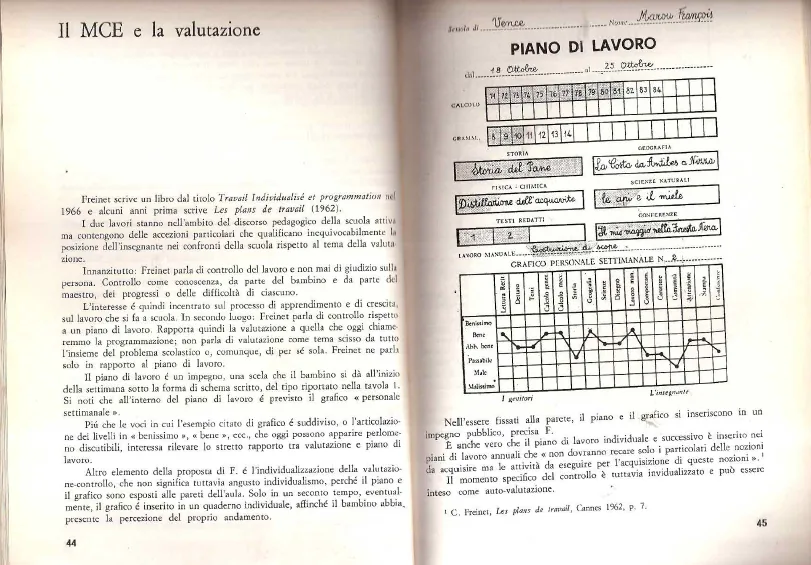
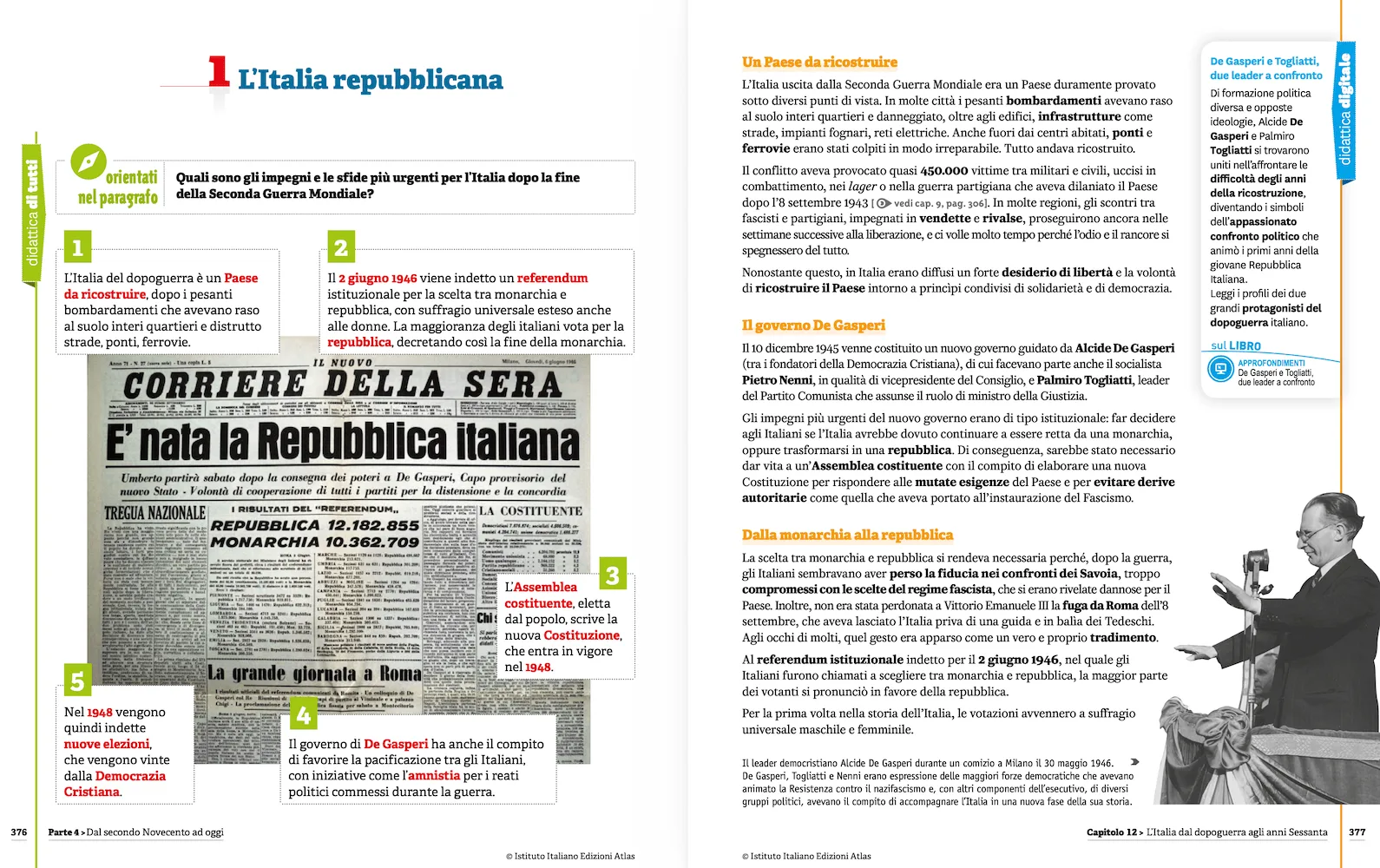
Text-signaling devices, also called text signals, include headings, subheadings, previews, summaries, typographic emphasis and other cues that make relevant content or text structure perceptible without adding new information.
In his 1989 review, Robert F. Lorch examines their effects on reading and memory. The studies chiefly show improved recall of signalled information; he also stresses the need to understand effects on attention, comprehension and reading processes more fully. Signals should therefore help readers find their way, not merely decorate the page.
Cognitive load theory
These tools can also be considered through John Sweller’s cognitive load theory, which recognises the limited capacity of working memory. The traditional account distinguishes intrinsic load, related to the complexity of interacting elements relative to prior knowledge; extraneous load, caused by presentation or activities that consume resources without supporting learning; and germane load, effort directed towards understanding, building and automating cognitive schemas.
This three-part distinction helps explain the theory’s historical development but is not accepted uniformly. More recent formulations do not always treat germane load as a separate third load: it may be described as working-memory resources devoted to dealing with intrinsic load. The crucial design distinction remains between effort required by the content and effort wasted by inadequate presentation.
Organisers, maps, diagrams and text signals can clarify structure and relationships, helping manage intrinsic load and reduce extraneous load. Their presence alone does not ensure effectiveness. Redundant, overly dense displays or information separated from its referent may increase extraneous load.
Bibliography
- Ausubel, D. P. (1960). The use of advance organizers in the learning and retention of meaningful verbal material. Journal of Educational Psychology, 51(5), 267–272.
- Lorch, R. F. (1989). Text-signaling devices and their effects on reading and memory processes. Educational Psychology Review, 1, 209–234.
- Novak, J. D., and Cañas, A. J. (2008). The Theory Underlying Concept Maps and How to Construct and Use Them. IHMC.
- Sweller, J. (1988). Cognitive load during problem solving: Effects on learning. Cognitive Science, 12(2), 257–285.
- Sweller, J. (2010). Element interactivity and intrinsic, extraneous, and germane cognitive load. Educational Psychology Review, 22, 123–138.
Sources
Reference titles are retained in their original language. Linked resources may be in Italian or another language.
- DSA: COME STUDIARE CON EFFICACIA! | Francesca Cavaiani
- Members area
Open the full page ↗